nursing at florida international university (fiu)
work conditions: US vs. Jamaica
law at the university of technology
working conditions
Daily Life and Responsibilities
Courtroom Advocacy & Preparation:
Days are spent managing trials, making bail applications, and arguing cases at the Supreme Court or parish courts.
Lawyers spend significant time reviewing case files, analyzing evidence, and preparing for cross-examination.
Client Management: A major part of the job involves meeting clients, which often includes visiting police lockups and prisons.
Adversarial Environment: Criminal lawyers frequently face public scrutiny and criticism, with some sectors of society accusing them of aiding criminals by aiming for acquittals.
Administrative Tasks: The job involves a lot of paperwork and having to manage a high volume of cases.
Challenges and Realities
Public Perception: The public tends to view their work as morally questionable.
High Stress and Risk: The work is high-pressure, with lawyers managing the immense responsibility of protecting an individual's freedom.
Initial Financial Struggle: Newly called lawyers may face severe financial difficulties, including periods without income or needing to work for free to gain experience.
Safety Concerns: Lawyers are tasked with interacting with dangerous individuals, which can bring risks.
The Path and Compensation
Training & Licensing: Aspiring lawyers must complete an LLB (3 years), typically followed by 2 years at Norman Manley Law School, culminating in being called to the bar in the Supreme Court.
Salary Outlook: The average gross salary for a criminal lawyer in Jamaica is approximately $5,001,492 JMD per year. Entry-level lawyers (1–3 years experience): $3,484,340 JMD.
Legal Aid Work: Many attorneys work with the Legal Aid Council to provide services for those who cannot afford private counsel.
dentistry at uwi
nature of dentistry/ working conditions

Engineering at University of the West Indies
Civil Engineering
Civil Engineering at UWI focuses on the design, construction, and management of infrastructure such as roads, bridges, buildings, airports, seaports, and dams. The program offers two streams: traditional civil engineering and civil with environmental engineering.
Electrical, Electronics, and Computer Engineering
The first year of Electronics Engineering, Electrical Power Engineering, and Computer Engineering is identical, allowing students to transfer between programs after completing the first year. These programs emphasize theory, design, and hands-on practice, preparing students for careers in electrical systems, electronics, and computing technologies.
Mechanical Engineering
Mechanical Engineering covers the design, analysis, and manufacturing of mechanical systems. Students gain practical experience in areas such as thermodynamics, fluid mechanics, and materials science, with opportunities for internships and industry exposure to enhance applied skills.
Chemical Engineering
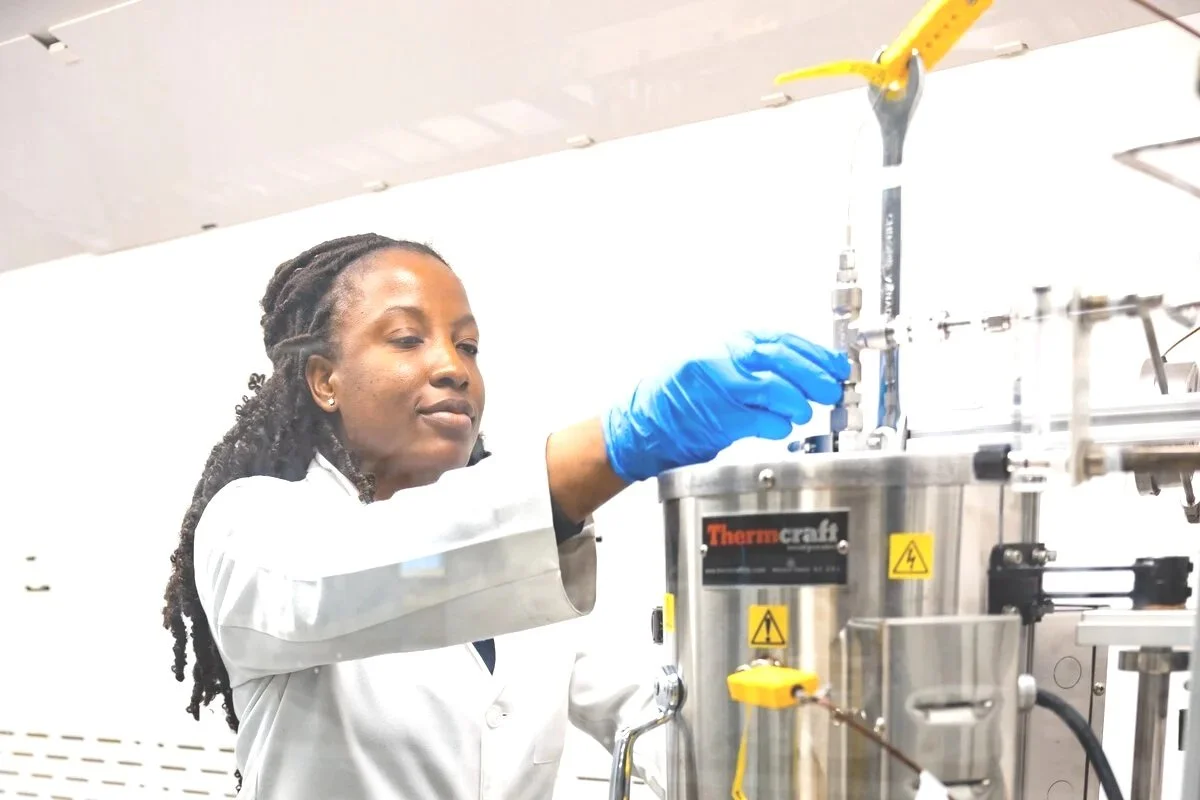
Chemical Engineering focuses on the application of chemical processes to produce materials, energy, and products efficiently and safely.
nature of occupation/ Work Conditions
Civil Engineering
Civil engineers typically split their time between office work and construction sites, working full-time with occasional overtime, in environments that require both technical precision and teamwork.
Computer Engineering
The working conditions for computer engineering professionals are diverse and dynamic, often blending technical challenges with collaborative problem-solving. They typically work in well-lit, climate-controlled offices or labs, equipped with state-of-the-art technology. Remote work has become increasingly common, especially post-pandemic. Their days involve designing, developing, and testing software or hardware systems, requiring a mix of individual focus and teamwork.
Electrical Engineering
Electrical engineers primarily work indoors in office environments, where they design, develop, and test electrical systems and equipment. They may also visit project sites to observe installations or troubleshoot issues. The work often involves collaboration with other engineers and technicians, requiring good communication skills.
Mechanical Engineering
Mechanical engineers in Jamaica work in various settings, including design, research, manufacturing, and field services. The work environment can vary significantly, with some engineers spending most of their time in offices or labs, while others may be in factories or on-site, checking on machines or solving problems. The physical demands of the job can vary, and safety issues are a concern, especially in industrial environments.
Chemical Engineering
Chemical engineers in Jamaica typically work indoors, often in laboratories or manufacturing plants where they may operate machinery and handle toxic chemicals. They wear proper personal protective equipment (PPE) to minimize exposure to dangerous substances. Some may also work in office environments, where they spend a lot of time at a desk performing computer-related tasks. The role requires a high level of accuracy and attention to detail, as chemical engineers design and develop chemicals and plan for their interactions in various situations.